October 12, 2026
A sprinkler system can seem like a background feature until something goes wrong. A broken head, leaking line, misaligned spray pattern, or malfunctioning valve may appear minor at first, but small irrigation problems can create larger costs over time. Delaying sprinkler repairs can increase water waste, damage landscaping, create uneven coverage, and place additional strain on other system components. Addressing issues promptly can help keep irrigation working more efficiently while protecting the investment homeowners have already made in their property.
Water conservation is another reason irrigation maintenance matters. According to the EPA, properly managing an irrigation system can reduce annual outdoor water use by nearly 8,800 gallons. That amount demonstrates how much water can be affected by irrigation efficiency over the course of a year. When leaks, damaged components, or incorrect spray patterns go unresolved, unnecessary water use can accumulate quickly and contribute to costs that extend well beyond the original repair.
Increasing Water Waste Over Time
Allowing Small Leaks to Continue
A minor underground leak or dripping connection can waste water every time the irrigation system runs. Because the leak may not be immediately visible, the problem can continue for weeks or months before homeowners realize how much water has been lost.
Allowing Broken Heads to Spray Inefficiently
Damaged sprinkler heads can spray onto driveways, sidewalks, fences, or other areas that do not need irrigation. Professional sprinkler repairs can correct these problems so more of the water reaches the intended lawn or planting areas instead of being wasted.
Allowing Overspray to Continue
Even when a sprinkler head is functioning, poor alignment can send water beyond the landscape. Repeated overspray can increase water use without improving plant health. Correcting spray direction can support more efficient coverage across the property.
Allowing Run Times to Become Inefficient
System problems can sometimes cause homeowners to increase watering duration because certain areas appear dry. If the real issue is poor distribution, longer run times can simply waste more water while leaving the original problem unresolved.
Increasing Damage to Lawns and Plants
Creating Dry Areas
When certain sprinkler zones stop working properly, sections of lawn or garden beds may receive less water than intended. These dry areas can become stressed, discolored, or thin, especially during warmer weather when plants rely more heavily on regular irrigation.
Creating Overwatered Areas
Too much water can be just as harmful as too little. Leaks, stuck valves, or poor spray patterns can saturate certain areas repeatedly. Sprinkler repairs can help restore more balanced irrigation so one section is not receiving substantially more water than another.
Creating Uneven Plant Growth
When irrigation coverage varies significantly, plants may grow differently across the same property. Some areas can become lush while others struggle, making the landscape appear inconsistent even when the plants themselves are otherwise healthy.
Creating Unnecessary Replacement Costs
Plants damaged by prolonged overwatering or underwatering may eventually need to be replaced. Correcting irrigation problems earlier can reduce the likelihood that landscaping must be restored because a preventable sprinkler issue continued too long.
Increasing Pressure on System Components
Straining Valves
Valves control water flow through irrigation zones and can experience additional stress when other parts of the system malfunction. A damaged line or improperly operating zone can contribute to irregular pressure and unnecessary wear.
Straining Sprinkler Heads
Sprinkler heads can become damaged by pressure problems, lawn equipment, soil movement, or normal wear. When one component fails, the surrounding system may no longer distribute water as intended. Timely sprinkler repairs can prevent one damaged head from contributing to broader coverage problems.
Straining Pipes and Connections
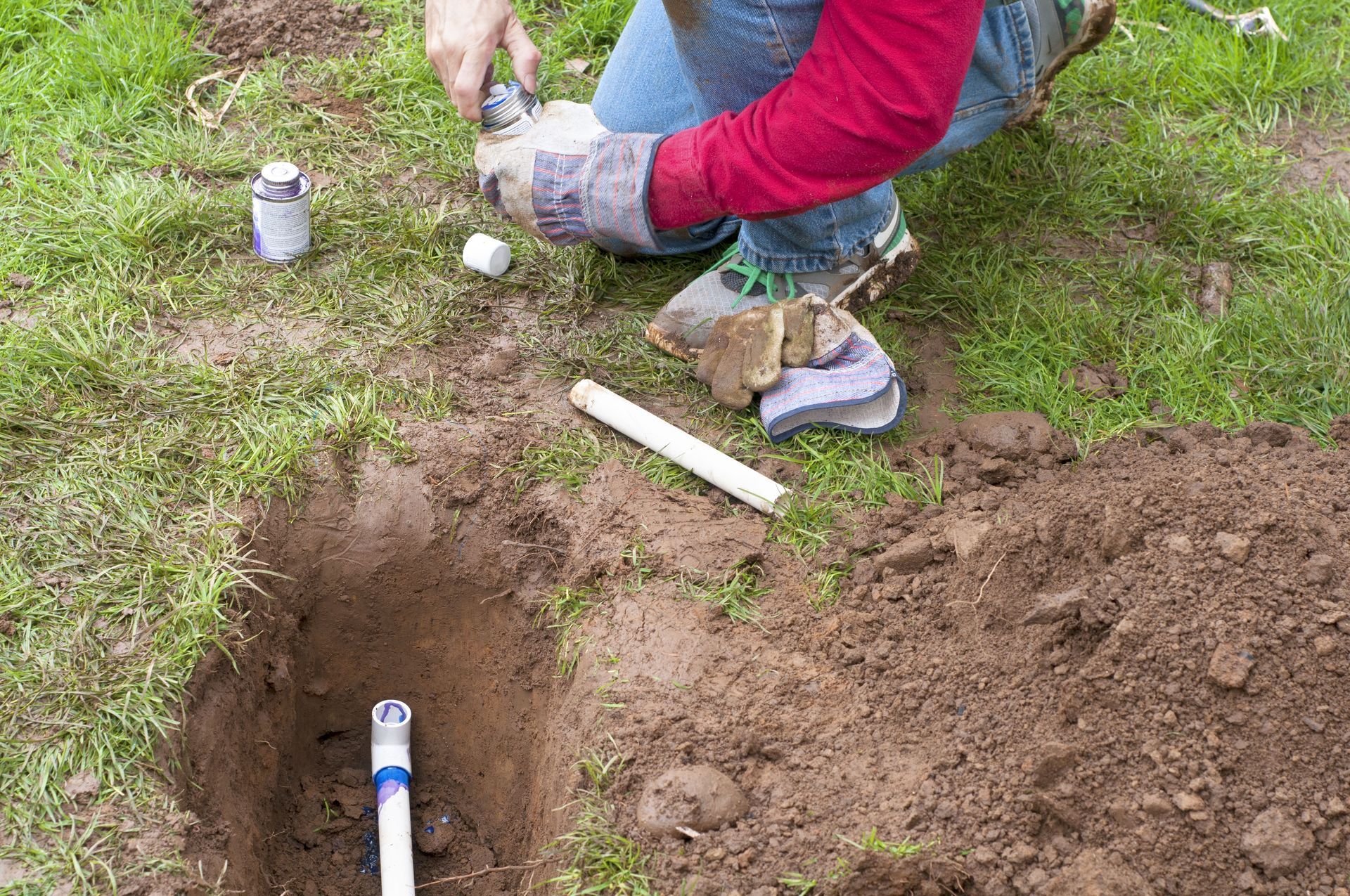
Leaks or pressure changes can place more stress on underground connections. Small weaknesses can gradually worsen, potentially turning a manageable repair into a larger section of pipe that requires professional attention.
Straining the Controller's Effectiveness
The controller can only manage watering effectively when the physical system responds correctly. Even a properly programmed schedule cannot compensate for broken heads, leaks, or blocked zones, making mechanical condition just as important as scheduling.
Increasing the Risk of Property Damage
Allowing Water Near Foundations
Sprinklers that repeatedly direct water toward the home can create unnecessary moisture near foundations, walls, or other exterior components. Correcting the spray pattern can reduce prolonged exposure in areas where water is not intended to collect.
Allowing Water to Collect on Hardscapes
Overspray onto patios, walkways, or driveways can create puddles and repeated moisture exposure. Sprinkler repairs can redirect irrigation toward landscaping and away from surfaces that do not benefit from regular watering.
Allowing Soil Erosion
A strong leak or broken sprinkler head can repeatedly wash soil away from planting beds or sloped areas. Over time, erosion can expose roots, alter grading, and create uneven surfaces that require additional landscaping work.
Allowing Muddy Areas to Develop
Persistent leaks can create muddy patches that interfere with lawn use and attract dirt onto nearby walkways. What begins as a small sprinkler issue can therefore affect the appearance and usability of surrounding areas.
Increasing Monthly Utility Costs
Paying for Lost Water
Water that escapes through leaks or sprays onto unnecessary surfaces still appears on the utility bill. Even relatively small irrigation problems can add up when they occur during every scheduled watering cycle.
Paying for Longer Run Times
Homeowners may increase irrigation schedules when lawns look dry, not realizing that the problem is uneven distribution rather than insufficient watering time. Professional sprinkler repairs can help identify whether the system itself is contributing to the issue.
Paying for Repeated Landscape Work
If poor irrigation damages grass, plants, or soil, homeowners may spend additional money restoring those areas. Correcting the original sprinkler problem can help avoid repeated landscaping costs caused by the same underlying issue.
Paying More for Delayed Repairs
Some irrigation problems become more extensive when ignored. A small leak can expand, a damaged fitting can worsen, or a faulty valve can affect a larger zone. Repairing the issue earlier may require less work than waiting until multiple components are involved.
Increasing Long-Term Maintenance Problems
Allowing Small Issues to Multiply
Irrigation systems contain many connected parts, so one problem can influence others over time. Sprinkler repairs performed early can help prevent a minor failure from contributing to additional wear or inconsistent performance elsewhere in the system.
Allowing Seasonal Problems to Return
A sprinkler issue that seems manageable during cooler weather may become much more noticeable during peak watering season. Addressing known problems before heavier use begins can help prevent recurring trouble when the landscape depends more heavily on irrigation.
Allowing Poor Performance to Become Normal
Gradual changes can be easy to overlook. Homeowners may become accustomed to weak spray patterns, slow leaks, or uneven watering without realizing the system is no longer operating as intended. Periodic professional evaluation can reveal those changes.
Allowing Repairs to Become More Disruptive
Early service can often address isolated components before problems spread. Waiting until several zones malfunction or water damage becomes visible can make the eventual repair more involved and potentially more disruptive to the surrounding landscape.
Delaying irrigation service can create costs that extend well beyond the price of the original repair. Water waste, damaged landscaping, higher utility bills, erosion, property exposure, and additional system wear can all develop when problems are allowed to continue. Homeowners who notice leaks, uneven watering, broken heads, or other irrigation concerns can contact Black Rock Sprinklers today to schedule professional sprinkler repairs and keep their system operating more efficiently.