August 6, 2026
A properly functioning sprinkler system plays an important role in keeping your lawn healthy, green, and properly hydrated. However, like any outdoor equipment, sprinkler systems experience wear and tear over time. Broken components, leaks, clogged nozzles, and pressure problems can reduce performance and cause your landscape to receive too much or too little water.
Recognizing early warning signs can help homeowners address problems before they become larger issues. A damaged sprinkler system may waste water, increase utility costs, and create uneven lawn growth. Understanding when to schedule sprinkler repair can help restore efficiency and protect your landscaping investment.
From identifying leaks to maintaining sprinkler heads, there are several ways homeowners can determine whether their irrigation system needs attention.
How To Detect A Leak In Your Sprinkler System
Leaks are among the most common problems that indicate a need for sprinkler repair. Even a small leak can significantly impact how efficiently your irrigation system operates. Since many sprinkler components are located underground, leaks are not always immediately obvious.
One of the easiest signs to spot is water pooling in areas of your lawn when the sprinkler system is running. Standing water, muddy patches, or unusually soft areas may indicate that a pipe or connection has developed a leak. Homeowners may also notice sections of grass that are growing faster than surrounding areas because they are receiving excess moisture.
Another indication of a leak is a sudden increase in water usage. If your water bill rises without a noticeable change in household consumption, an irrigation issue may be responsible. A leaking sprinkler system can continue wasting water even when you are not actively paying attention to it.
Some leaks occur around sprinkler heads, valves, or pipe connections. Damaged seals, cracked fittings, or aging components can allow water to escape before it reaches the intended areas of your lawn. Addressing these issues quickly through professional sprinkler repair can help prevent additional damage and reduce unnecessary water consumption.
According to the New Ellenton Commission of Public Works, residential sprinklers can use between 12 and 30 gallons per minute. Because sprinkler systems can move large amounts of water during operation, even minor leaks can result in significant waste over time.
What Signs Show That Sprinkler Heads Are Damaged?
Sprinkler heads are responsible for distributing water evenly across your lawn, but they are also some of the most vulnerable parts of an irrigation system. They can become damaged by lawn equipment, foot traffic, freezing temperatures, soil movement, or normal aging.
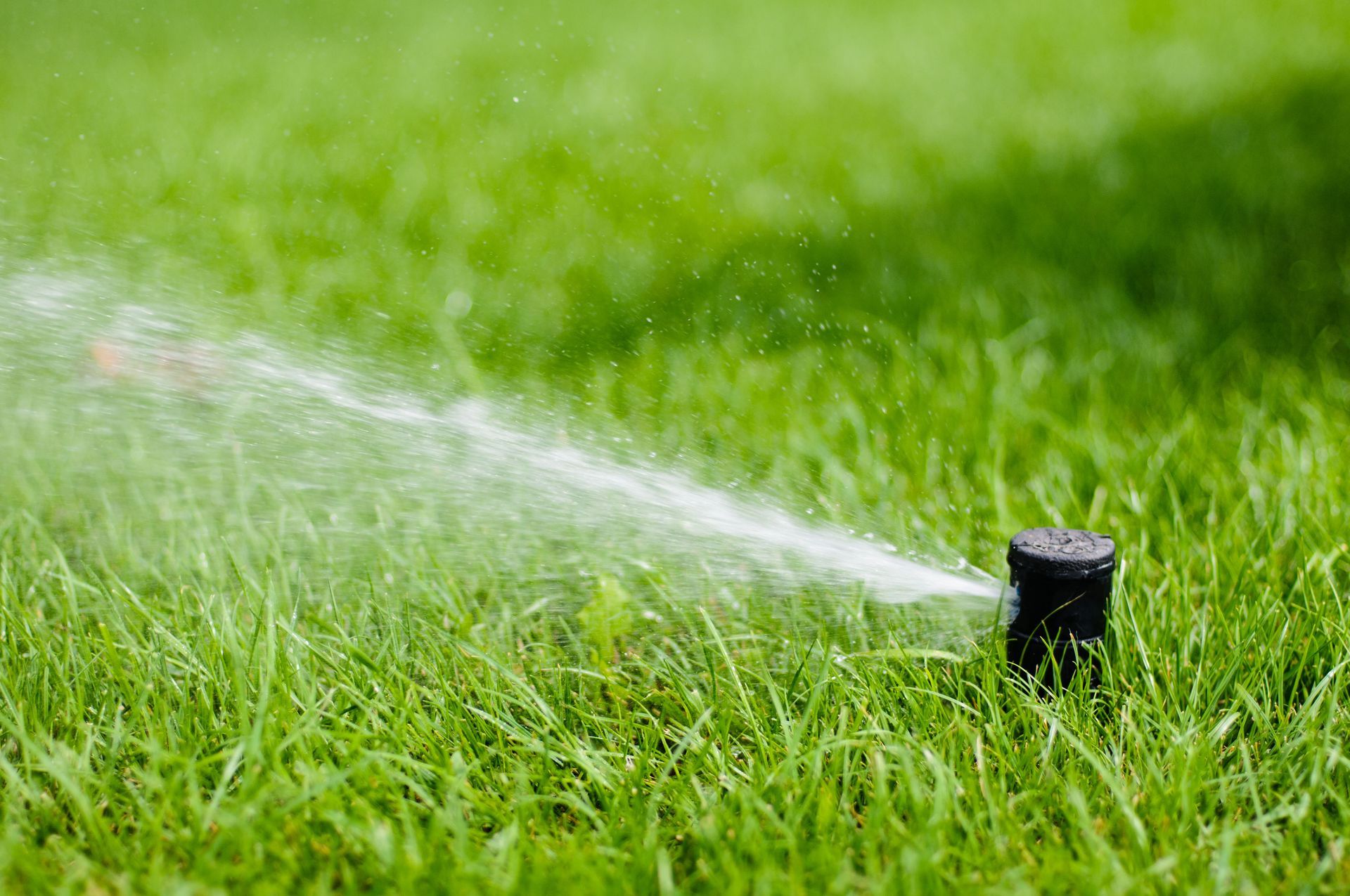
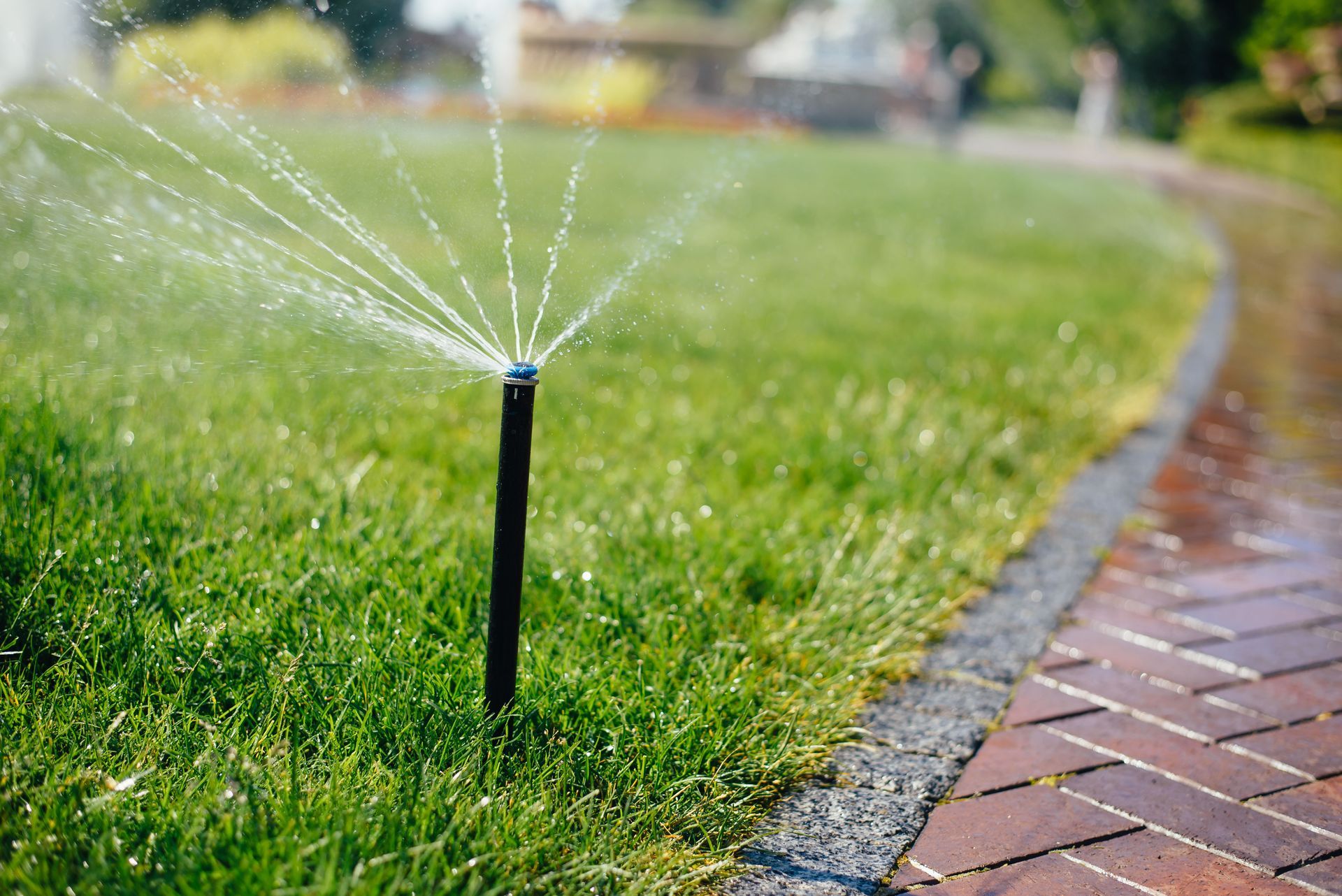
A damaged sprinkler head may fail to pop up correctly when the system turns on. Some heads may remain stuck in the ground, while others may rise only partially and fail to distribute water effectively. If a sprinkler head does not operate as intended, parts of your lawn may become dry and unhealthy.
Visible damage is another warning sign. Cracks, broken tops, missing components, or tilted sprinkler heads can prevent proper water distribution. A sprinkler head that sprays water sideways, leaks around its base, or creates inconsistent coverage may require adjustment or replacement.
Clogged nozzles can also affect performance. Dirt, grass clippings, and mineral buildup can restrict water flow and create weak spray patterns. Cleaning the nozzle may solve minor issues, but severely damaged components may require more extensive sprinkler repair.
Replacing damaged sprinkler heads can improve system efficiency and help prevent certain areas of your lawn from becoming overwatered while others remain dry.
How To Know If Water Pressure Is Incorrect
Water pressure has a major impact on sprinkler performance. When pressure levels are too high or too low, your system may struggle to distribute water evenly throughout your property.
Low water pressure often causes sprinkler heads to produce weak streams or fail to cover their intended areas. You may notice that sprinklers near the end of a zone have reduced spray distance compared to those closer to the valve. This can leave sections of your lawn dry and prevent grass from receiving adequate moisture.
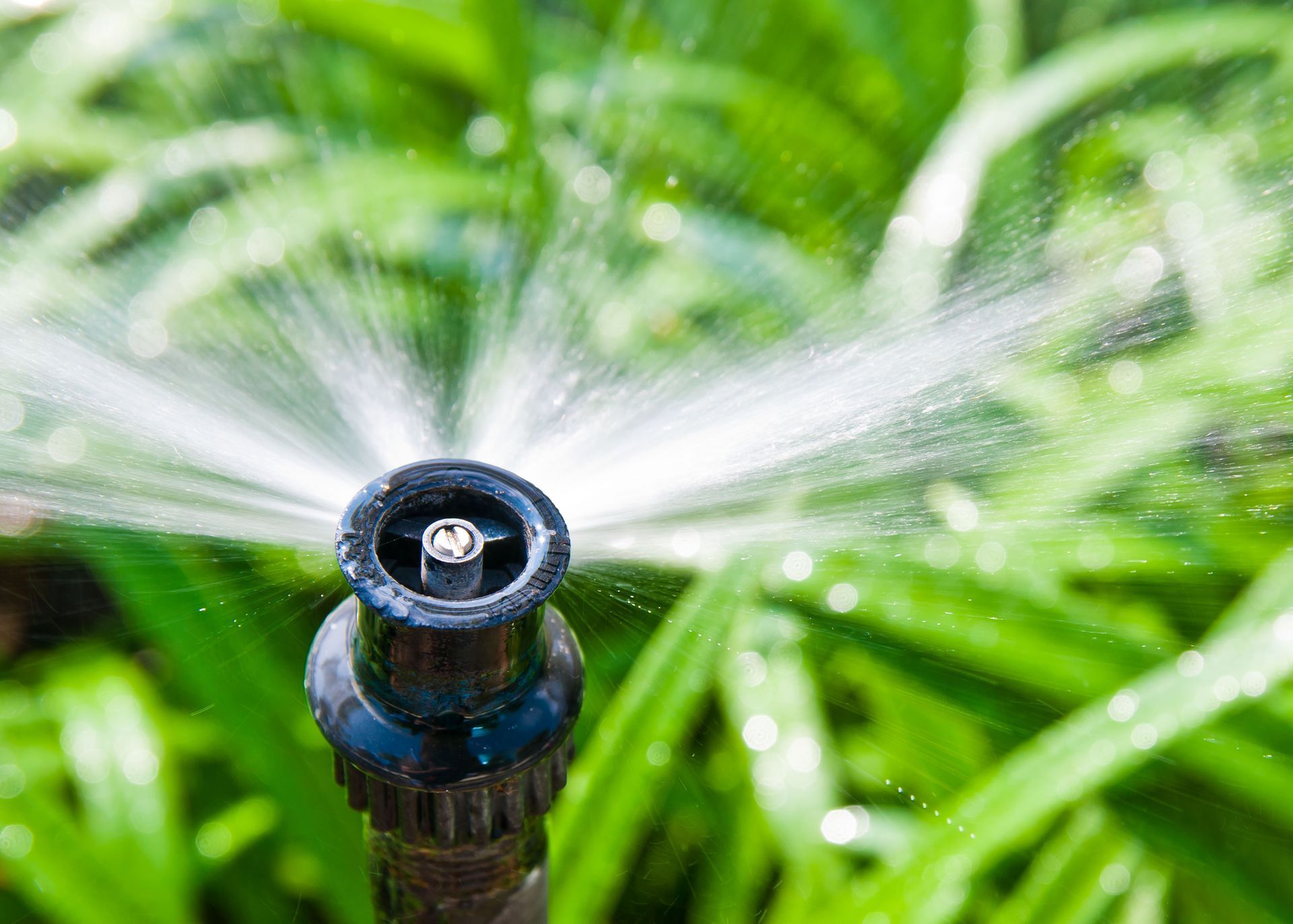
High water pressure can create a different set of problems. Excessive pressure may cause sprinkler heads to produce a mist instead of larger droplets. Fine water particles can be carried away by wind, reducing efficiency and wasting water. High pressure can also put additional stress on sprinkler components, increasing the likelihood of leaks or premature failure.
Changes in pressure may result from issues such as damaged valves, clogged pipes, or problems with the water supply. If adjusting sprinkler heads does not correct uneven watering, professional sprinkler repair may be needed to identify the underlying cause.
Why Is My Sprinkler System Losing Coverage?
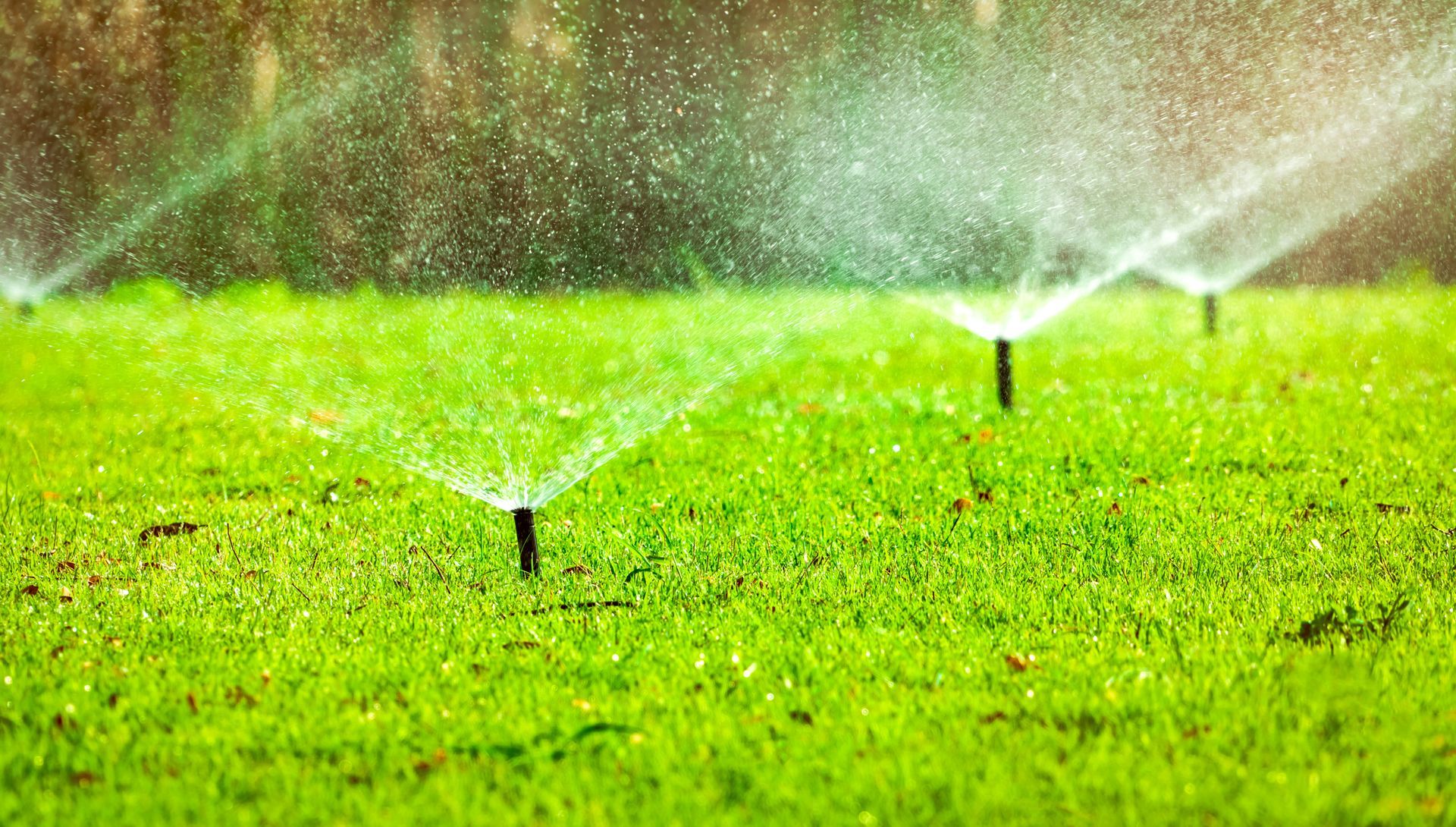
A sprinkler system that no longer covers your lawn evenly may be experiencing several possible issues. Uneven coverage often becomes noticeable when certain areas of grass appear dry, while others become saturated.
One common cause is a misaligned sprinkler head. Over time, sprinkler heads can shift due to soil movement, landscaping changes, or accidental impacts. A head that is no longer positioned correctly may spray water onto sidewalks, driveways, or garden beds instead of the lawn.
Changes to your landscape can also affect coverage. New trees, shrubs, fences, or outdoor structures may block water from reaching certain areas. Sprinkler systems are designed based on the layout of your property, so changes in your yard may require adjustments to maintain proper irrigation.
Clogged filters and damaged nozzles can also reduce coverage. When water cannot flow properly through the system, sprinkler heads may not reach their intended distance. Regular inspections can help identify these problems before they lead to larger irrigation issues.
In some cases, aging systems may simply no longer meet the needs of your landscape. Older sprinkler systems may have outdated components that operate less efficiently than newer equipment. A professional evaluation can determine whether targeted sprinkler repair or system upgrades are the better solution.
What Maintenance Prevents Sprinkler Repairs?
Routine maintenance is one of the best ways to prevent unexpected sprinkler problems. Regular inspections allow homeowners to identify small issues before they become expensive repairs.
One important maintenance step is checking sprinkler heads throughout the watering season. Look for damaged parts, clogged nozzles, or heads that are no longer aligned correctly. Cleaning debris from sprinkler components can help maintain proper water flow and coverage.
Homeowners should also inspect visible pipes, valves, and connections for signs of leaks. Catching a small problem early can prevent water waste and reduce the chance of needing more extensive sprinkler repair later.
Seasonal maintenance is especially important in areas that experience freezing temperatures. Before winter arrives, irrigation systems should be properly prepared to prevent frozen water from damaging underground pipes and components. In spring, the system should be tested to identify any problems that developed during the colder months.
Adjusting watering schedules is another important part of maintenance. Weather conditions, seasonal changes, and plant growth can affect how much water your lawn needs. Running sprinklers too frequently can waste water, while insufficient watering can stress your grass and landscaping.
Regular maintenance not only improves efficiency but can also extend the lifespan of your irrigation system. A well-maintained system is less likely to experience major failures and can provide reliable performance for years.
When To Schedule Sprinkler Repair Services
Knowing when to call for professional help can prevent minor irrigation issues from becoming larger problems. While homeowners can handle some basic maintenance tasks, problems involving underground pipes, valves, electrical components, or significant water pressure changes often require professional attention.
Persistent leaks, damaged sprinkler heads, uneven coverage, and unexplained increases in water usage are all signs that your system may need service. Ignoring these warning signs can result in wasted water, higher costs, and damage to your lawn.
A properly maintained sprinkler system helps conserve water while keeping your landscape healthy. By watching for common problems and scheduling
sprinkler repair when necessary, homeowners can maintain an efficient irrigation system that supports a vibrant yard throughout the year. If you're in need of sprinkler services, reach out to the team at Black Rock Sprinklers today!